
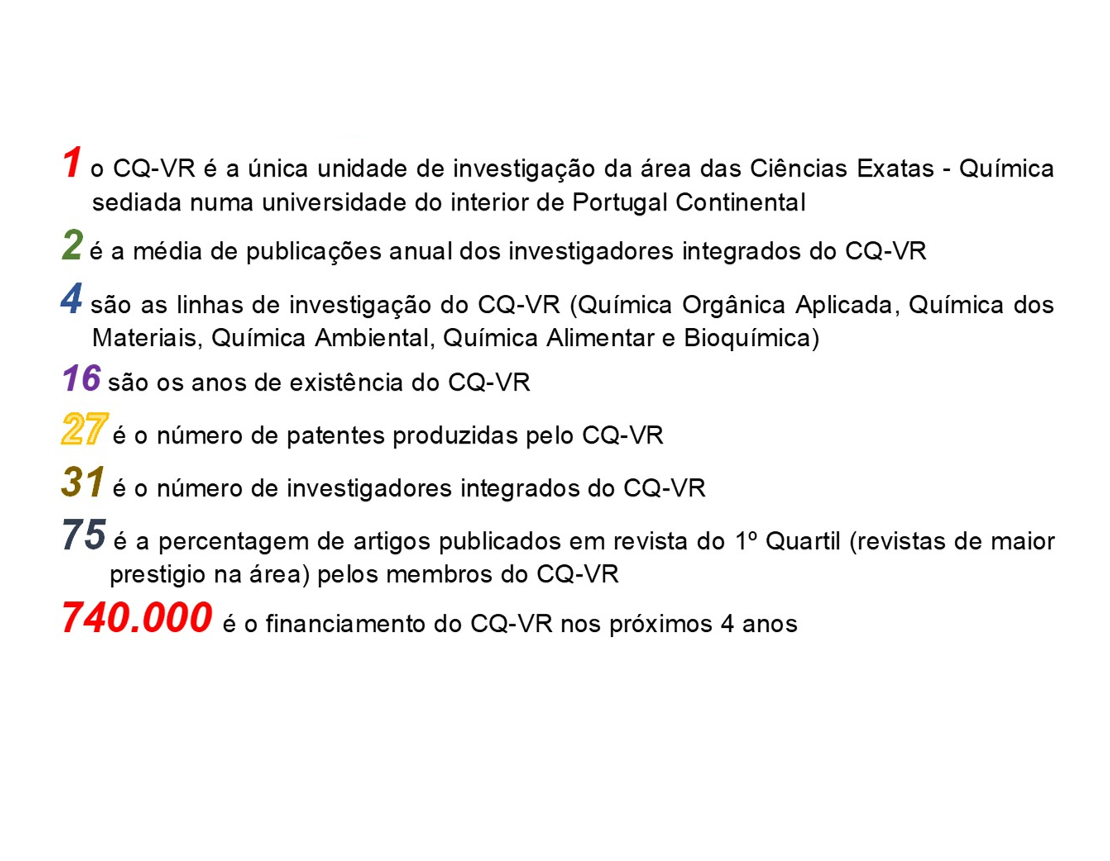
The CQ-VR team is composed by 32 integrated members, 20 PhD students, and 13 collaborators. It includes university (UTAD) and polytechnic academic staff (ISEL), post-doctoral research fellows, graduated researchers and undergraduate students. The majority of the integrated members are also involved in teaching activities, supporting several Masters and 3 PhD programs some of which in collaboration with foreign institutions.
The Unit is organized in 4 research groups, Materials Chemistry, Applied Organic Chemistry, Environmental Chemistry, Food Chemistry & Biochemistry.
The objectives for CQVR from 2025 to 2029 encompass several key areas:
*Conduct high-quality research in fundamental and applied chemistry to address global societal challenges like food security, industrial innovation, green energy, and clean water.
*Enhance technology transfer activities to provide competitive solutions for industrial challenges and serve the scientific and industrial communities.
*Renew the staff, increase opportunities for young researchers, and provide high-quality PhD programs.
*Expand international collaborations and participation in European networks to pursue European and international projects.
*Develop efforts to establish a new associated laboratory focused on molecular sciences for sustainable development.
*Increase dissemination activities, including organizing international conferences to enhance CQVR's international visibility.
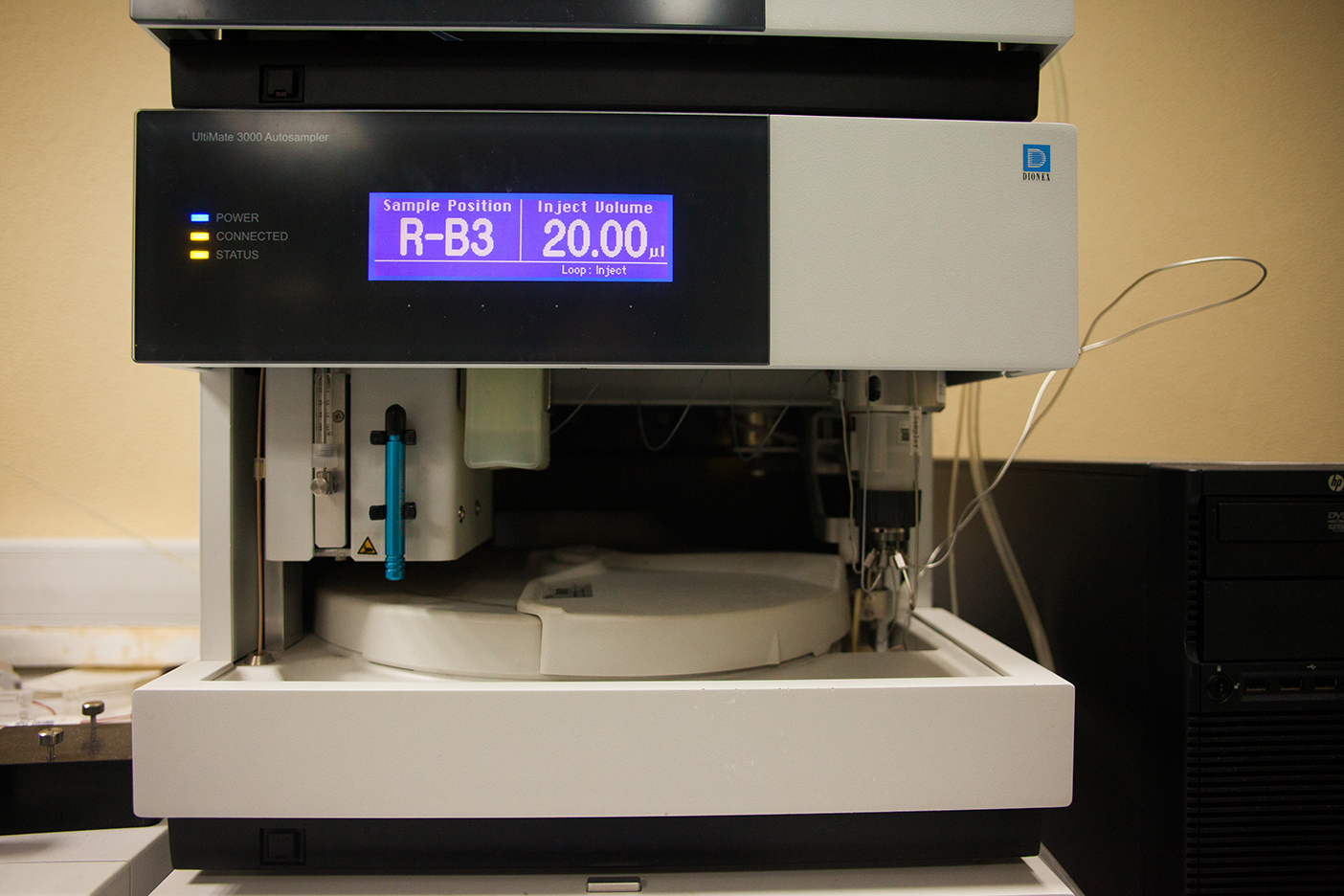
*Continuously upgrade and expand state-of-the-art equipment available at CQ-VR for competitive research.
Most of the research activity will be developed in emergent areas, with high potential for technology transfer being, in most cases, strategic for the region. It will involve:
-New functional materials (organic, inorganic or hybrid) with improved performance for application in optical and electronic devices, green transportation, energy-efficient technologies and advanced therapies;
-Innovative environmental technologies to add value to agro-food by-products, to monitor environmental risks on soils and aquifers and to treat agro-industrial wastewaters for potential reuse;
-New clean-label food formulations and innovative practices and technologies to improve food quality, health and monitoring the chemical and toxicological safety of food products.
While the research fields of CQVR researchers hold global significance, some are particularly vital in the economically challenged Northern Region, where collaborations with local companies are important. Our successful partnerships have yielded numerous patents and knowledge transfer licenses, especially in the areas of food quality, wastewater treatment, and eco-efficient waste management, earning us the trust of many industries. Our aim is to expand these collaborations, increasing industrial competitiveness, which is crucial for job creation, economic growth, and overall welfare.
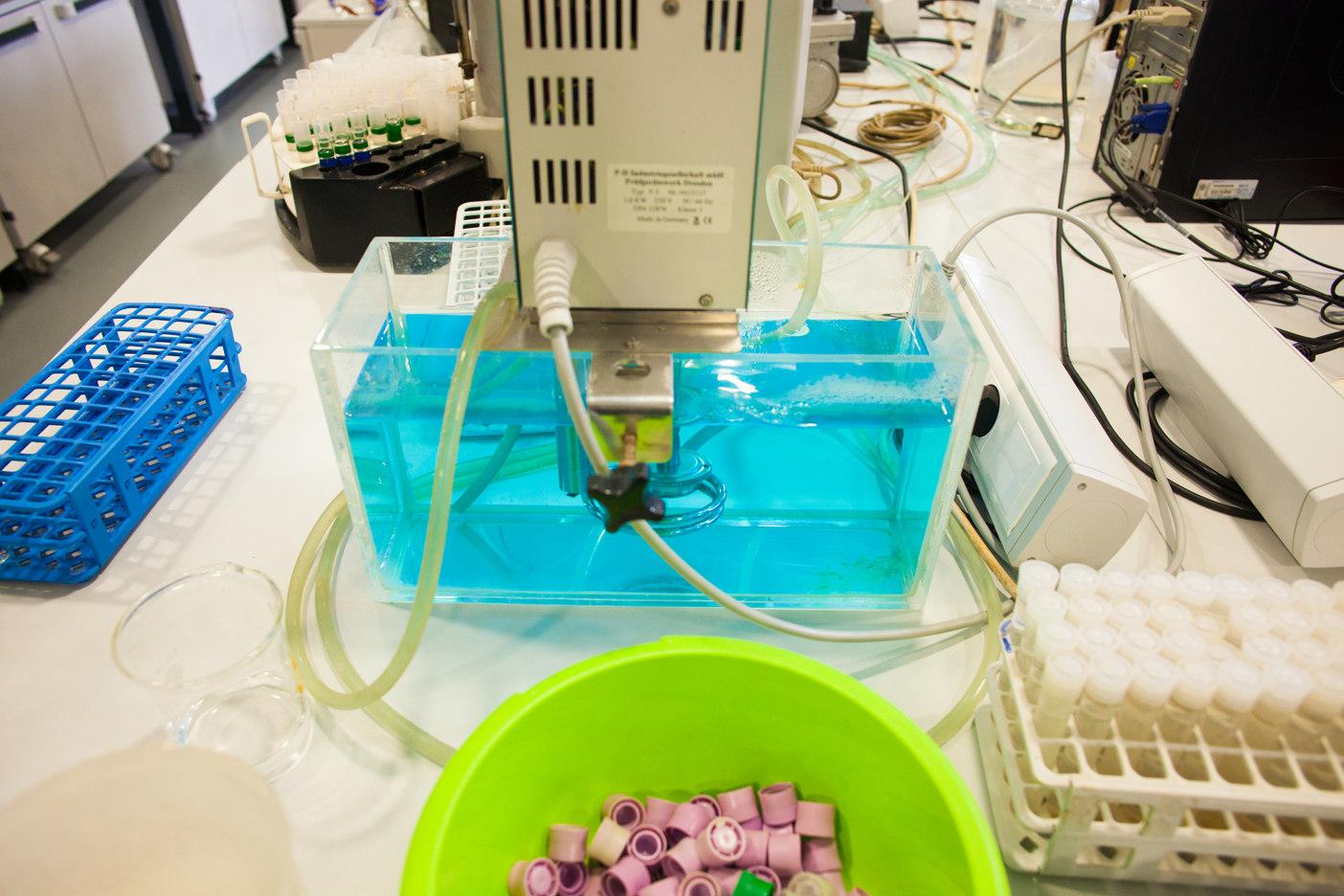
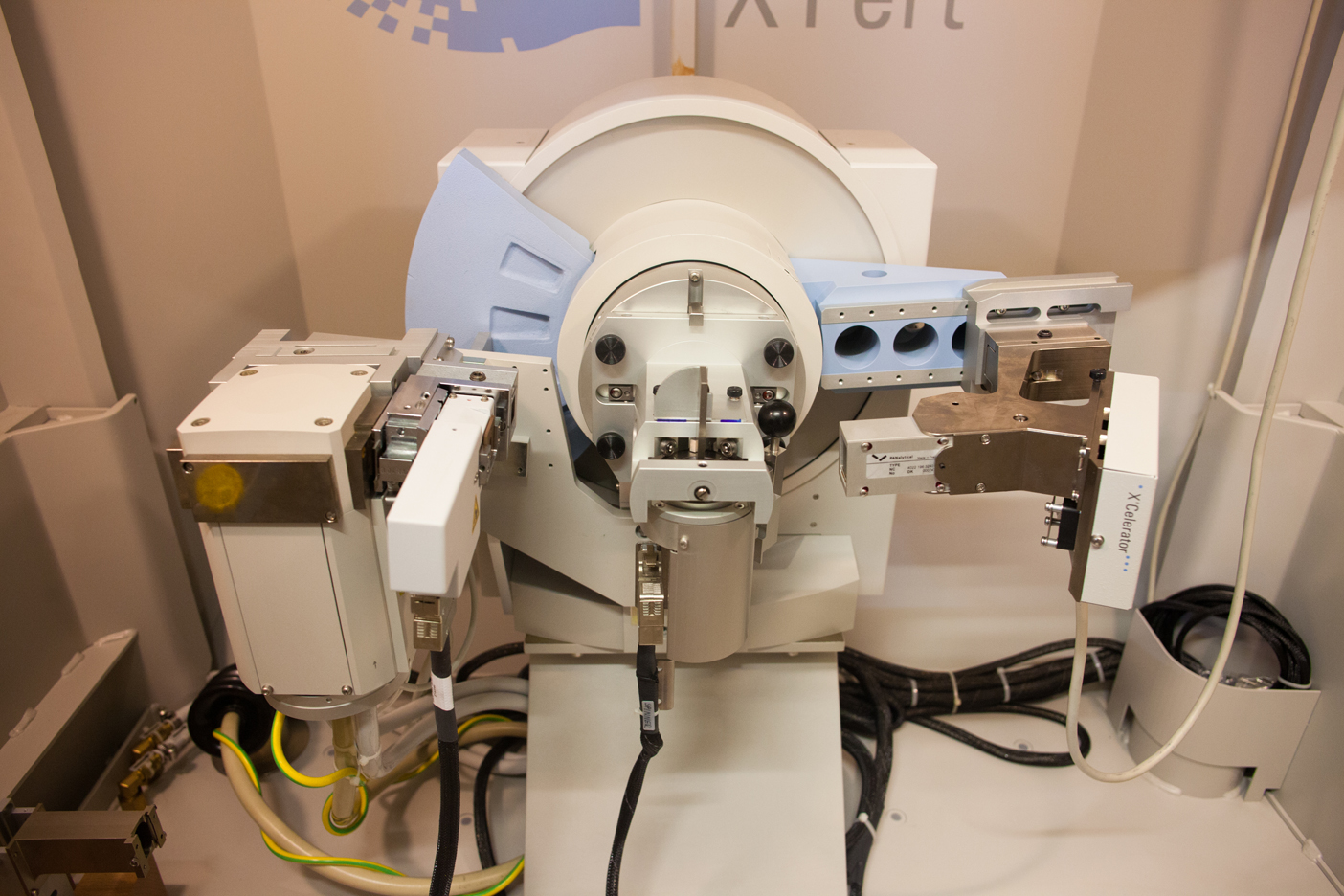
With unique equipment in the region, CQVR offers laboratory services and consultancy, particularly in soil analysis, energy production from renewable sources, food and wine analysis, and materials characterization, serving companies, farmer associations, institutions, and other research groups.
The unit was evaluated five times since its foundation and received each time the same evaluation: 2002 (Very Good), 2007 (Very Good) and 2013 (Very Good), 2019 (Very Good), 2024 (Excellent)
The unit is funded by FCT through the projects UID/00616/2025 (https://doi.org/10.54499/UID/00616/2025) and UID/PRR/00616/2025 (https://doi.org/10.54499/UID/PRR/00616/2025)
Conditions for Integration in the CQ-VR
Painel Externo de Avaliação
Decreto Lei n 63_2019 (Establishes the legal framework for institutions dedicated to scientific research and development)
Despacho Normativo n 5_2019 (Approves the amendments to the Statutes of the University of Trás-os-Montes and Alto Douro, Annotated)